Google Ads Copywriting Tips That Drive Clicks
It’s not simple to stand out in today’s busy digital world. Every click matters, and the phrases you choose may make or destroy your campaign. As competition grows and algorithms change, it’s more important than ever to write interesting ad copy.
Good writing doesn’t simply get people’s attention; it also gets them to act. ServiceTitan and Intuit QuickBooks are two brands that have done well by combining creative ideas with data-driven plans. What is the secret? Finding a balance between technical accuracy and emotional triggers.
This article goes into detail on practical ways to raise Quality Scores, save expenses, and get more people involved. We’ll talk about what works in 2024 and beyond, from AI-powered tools to Performance Max improvements.
Key Takeaways
- Strong copy improves ad performance and lowers costs.
- Emotional triggers increase click-through rates.
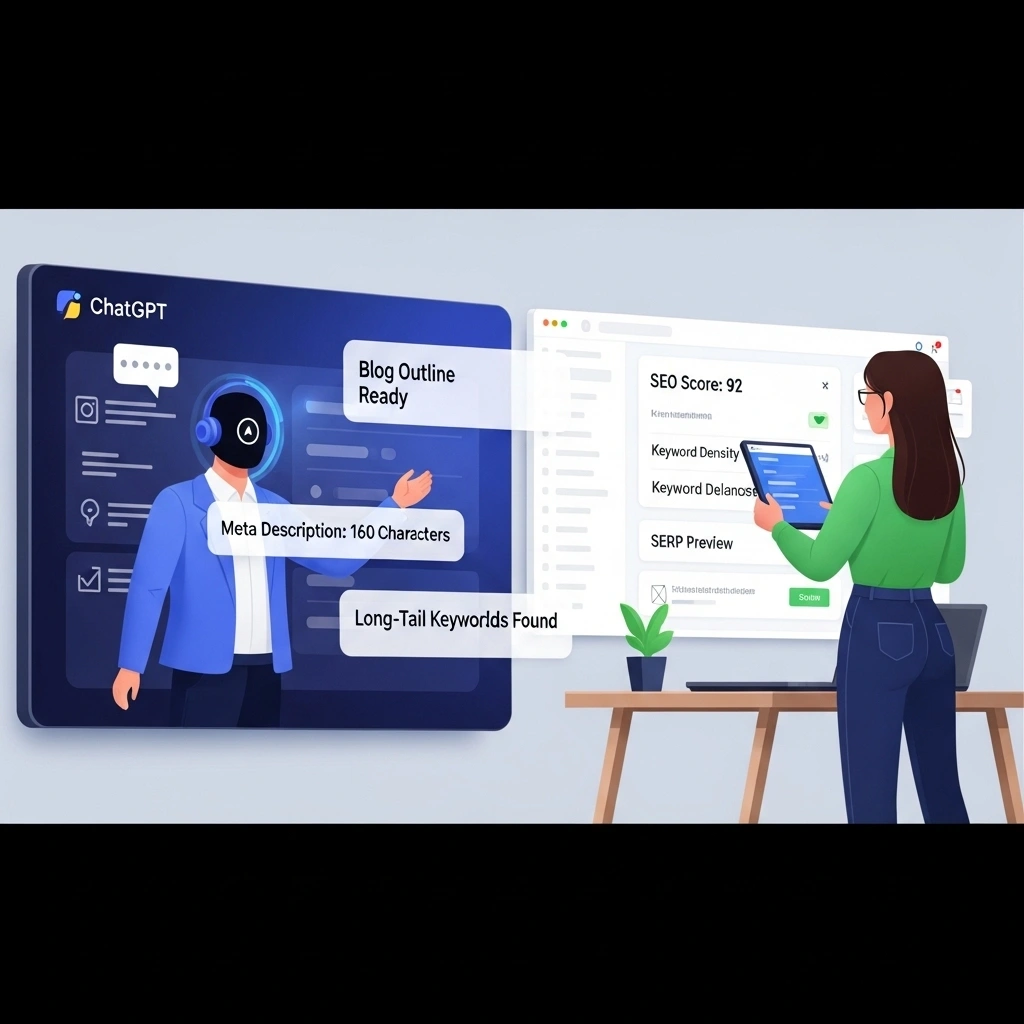
- AI tools like ChatGPT can refine messaging.
- Technical compliance ensures better visibility.
- Real-world examples prove what works.
How to Master Google Ads Copywriting Basics
To write good ad copy, you need to know how to use the different forms on each platform. If you’re running RSAs, Display Ads, or Performance Max campaigns, each one has its own set of rules that affect how visible and clickable they are. If you don’t pay attention to these details, you might lose out on chances or waste money.
Understanding Ad Formats and Their Demands
Responsive Search Ads (RSAs) let you use 15 headlines (30 characters each) and 4 descriptions (90 characters each). WordStream’s templates demonstrate that combining a sense of urgency (“Sale Ends Soon!”) with a reward (“Save 30% Today”) increases CTR.
There are five short headlines (30 characters) and one big headline (90 characters) for each display ad. Hostgator’s advertising that concentrate on pricing (“$2.75/Month Hosting”) show that simple ads work best.
Navigating Character Limits and Compliance
Performance Max combines several types of ads and needs five headlines and one lengthy description. The “24/7 Support + Free Quotes” concept from ServiceTitan works well here.
Important problems: Headlines are cut off after 30 characters. Don’t use nonspecific DKI like “Fix It Yourself.” Instead, use something more precise, like “Professional Window Installation.”
- Checklist for Success:
- Match headlines to search intent (“Shoes > Running Trainers”).
- Separate campaigns for distinct products (GetResponse’s approach).
- Always test descriptions against the 90-character limit.
Why Relevance is Key in Google Ads Copy
Relevance separates winning campaigns from wasted clicks. When your messaging aligns with what searchers want, engagement soars. Intuit QuickBooks saw an 89% higher CTR by ensuring landing pages mirrored ad claims.
Aligning Copy with Search Intent
Match headlines to the search intent behind queries. For “project management tools,” ClickUp’s “all-in-one suite” positioning outperforms vague alternatives. Legal firms mixing practice areas in single ads saw 40% lower Quality Scores.
- Do: Use SEMrush’s Keyword Gap tool to identify intent gaps.
- Avoid: Generic keywords like “fix it”—opt for “certified HVAC repair.”
Matching Landing Pages to Ad Messaging
A disrupted smell trail leads visitors astray. By connecting weatherproofing advertising directly to service pages, Marshall Remodelling increased conversions. When advertising link to generic homepages, heatmaps show a 72% drop-off.
“Ad and landing page content must be consistent.”
An HVAC firm lost prospects by sending clicks on “emergency repair” to their site. Always help consumers find the precise answer they need.
Crafting High-Impact Headlines
Your headline is the first handshake with potential customers—make it count. It’s the make-or-break moment that determines whether users click or scroll past. Data shows headlines with emotional triggers outperform generic CTAs by 33%.
Incorporating Keywords for Visibility
Strategically place keywords to align with search intent. Ballin Law’s “Award-Winning NYC Injury Lawyer” headline works because it’s specific and credible. Avoid vague phrases like “Cheap Roofing Near Me”—opt for “Certified Roofers | 24/7 Emergency Repairs.”
Dynamic Keyword Insertion (DKI) can boost CTR by 22%, but only if used correctly. Test variations to ensure readability, like ASOS’s “20% Off Student Sale” which combines discount + audience.
Using Power Words and Emotional Triggers
Words like ‘Guaranteed’, ‘Proven’, and ‘Instant’ create urgency and trust. Compare “Save Money” to “Slash Energy Bills by 40%”—the latter drives action with specificity and a power word.
“Headlines with emotional hooks see 3x more engagement than neutral alternatives.”
Swipe-worthy formulas:
- [Number] + [Benefit] + [Timeframe]: “5 SEO Hacks to Rank Faster in 2024”
- [Problem] + [Solution]: “Struggling with Conversions? Try This Fix”
- [Audience] + [Offer]: “Students: Get 50% Off Textbooks Today”
Writing Compelling Descriptions
Your ad description is the final push that convinces users to click. It’s where you transform interest into action by answering one question: “What’s in it for me?” Ads with specific USPs see 50% higher conversion rates, proving clarity wins.
Highlighting Unique Selling Points
Stand out by emphasizing what makes your product or service unique. Ballin Law’s “Pay Nothing Until You Win” instantly differentiates their legal services. Similarly, Sarah Davis MD’s “Same-Day Appointments” addresses patient pain points directly.
Avoid generic claims like “Quality Service.” Instead, use verifiable differentiators: “Voted #1 Steakhouse 2024” or “QB Compatible—Get Paid Faster.” Specificity builds trust and urgency.
Balancing Features and Benefits
Features tell; benefits sell. Compare “24/7 Support” (feature) to “Sleep Better with Night Monitoring” (benefit). Benefit-focused ads outperform feature-heavy ones 2:1. Follow GetResponse’s 3:1 ratio—three benefits for every feature.
“Customers don’t buy drills; they buy holes.” Highlight outcomes, not specs.
Swipe-worthy description templates:
- SaaS: “Automate workflows + save 10 hours/week. Start free.”
- Ecommerce: “Softest organic cotton tees—30% off first order.”
- B2B: “Scale leads 3x faster with AI-powered outreach.”
Designing Irresistible Calls to Action (CTAs)
A strong call to action turns interest into measurable results. It’s the final nudge that convinces your audience to take the next step—whether signing up, buying, or contacting your business. The difference between a generic “Click Here” and a tailored CTA can mean a 40% boost in conversions.
Tailoring CTAs to Funnel Stages
Match your call action to where users are in their journey. Top-of-funnel (TOFU) visitors need education, while bottom-funnel (BOFU) users crave urgency.
- TOFU: “Get Your Free Guide” (Atlassian’s “Download” option).
- MOFU: “Compare Pricing Plans” (Gym ads testing “2-Week Trial”).
- BOFU: “Order Now—Limited Stock!” (Legal firms use “Free Case Review”).
Testing Direct vs. Benefit-Driven Phrases
Direct CTAs like “Start Trial” work, but benefit-driven versions convert better. For example, “Get 30 Days Risk-Free” outperforms generic prompts by 28%.
| CTA Type | Example | CTR Increase |
|---|---|---|
| Direct | “Join Now” | 12% |
| Benefit-Driven | “Lose 10lbs in 30 Days” | 28% |
| Urgency-Based | “Claim 20% Off Before Midnight” | 35% |
“A/B test CTAs with a 95% confidence threshold—small tweaks yield big results.”
For legal marketing, “Free Case Review” beats “Contact Us” by 22%. Always test variations to find what resonates with your campaign goals.
Leveraging Ad Extensions and Assets
Ad extensions transform basic ads into powerful conversion tools. They add depth to your messaging, offering users quick information without extra clicks. Brands like ASOS and Marshall Remodeling prove these small additions boost engagement by 10-35%.
Types of Extensions That Drive Action
Sitelinks direct users to specific pages, like “24/7 Gym Access” or “Free Consultation.” Marshall Remodeling saw a 20% CTR increase by linking to service pages.
Callout extensions highlight USPs, such as Sarah Davis MD’s “Multilingual Staff Available.” These short phrases build trust and urgency.
Structured snippets organize details (e.g., “Property Types: Condos, Villas”). Real estate ads using these saw 35% higher conversions.
How Extensions Boost Performance
Extensions make your ads more relevant to search intent. A gym chain added location extensions, resulting in a 28% lift in membership sign-ups.
| Extension Type | Example | Impact |
|---|---|---|
| Sitelinks | “View Pricing Plans” | +15% CTR |
| Callouts | “Free Shipping Today” | +22% Conversions |
| Lead Form | “Get a Quote Fast” | -18% CPA |
“Extensions fill the gaps between user questions and your solutions.”
Performance Max Checklist:
- Include 5+ headlines and 1 long description.
- Add price extensions for ecommerce.
- Test promotion extensions (“Open House Saturday”).
A/B tests show ads with extensions outperform bare-bones versions by 40%. Start small—pick 2-3 types aligned with your advertising goals.
Advanced Google Ads Copywriting Techniques
Sophisticated Google Ads management copywriting techniques can turn ordinary ads into high-converting powerhouses. Beyond basic copy, leveraging psychological triggers like social proof and urgency drives action. Here’s how top brands use these tactics to outperform competitors.
Boost Trust with Social Proof
Testimonials and ratings build credibility fast. ServiceTitan saw a 34% conversion lift by adding “89% Customer Satisfaction” to ads. Compare generic claims like “Quality Service” to specific proof: “Voted #1 Steakhouse 2024.”
Psychological pricing also matters. HostGator’s “$2.75/mo” anchor price feels more precise than rounding up. This subtle tweak increases perceived value.
“Social proof is the fastest way to turn skeptics into buyers.”
Create Urgency with Scarcity
Time-sensitive offers trigger FOMO (fear of missing out). A consulting firm’s “Only 3 Spots Left This Week” ad drove 50% more clicks. Countdown timers or phrases like “Join 1,200+ Homeowners” amplify urgency.
| Tactic | Example | Result |
|---|---|---|
| Limited-Time | “Sale Ends Midnight” | +40% CTR |
| Exclusive Access | “VIP Members Only” | +28% Conversions |
| Stock Alerts | “Last 5 Units!” | +35% Sales |
Pair urgency with social proof for maximum impact. For example: “1,200 Customers Love Us—Get 20% Off Today.” This combo builds trust while pushing action.
Tools to Optimize Your Google Ads Copy
The right tools can transform your ad performance from average to exceptional. Whether refining keywords, generating headlines, or using the best Google Ads copywriting software, technology streamlines the process and maximizes results. Here’s how top marketers leverage these resources.
Keyword Research Tools
SEMrush and Google Keyword Planner uncover high-value search terms. SEMrush’s Keyword Magic Tool identifies 12x more long-tail variants than basic searches. For example, “divorce lawyer NYC” might reveal niche phrases like “affordable child custody attorney.”
Google Keyword Planner’s “Avg. Monthly Searches” filter helps prioritize volume. A roofing company could focus on “storm damage repair” (1,000 searches/month) over vague terms like “fix roof.”
| Tool | Best For | Unique Feature |
|---|---|---|
| SEMrush | Competitor ad analysis | Keyword gap reports |
| Ahrefs | Backlink integration | Content Explorer |
| Keyword Planner | Budget forecasting | Historical trend data |
AI Copywriting Assistants
ChatGPT slashes headline ideation time by 70%. A prompt like “Generate 10 RSA headlines for divorce lawyers” yields tailored options: “Expert Legal Defense—Free Consultation.”
Copy.ai suggests emotional triggers, such as “Justice for Your Family” over generic CTAs. LocaliQ’s AI tool tests variations automatically, revealing which descriptions drive clicks.
“AI tools don’t replace creativity—they amplify it by handling repetitive tasks.”
WordStream’s Free Keyword Tool case study shows a 25% CTR boost for HVAC ads using localized terms. Hidden features like Google’s Ad Grader diagnose quality scores, highlighting weak spots in real time.
Pair these tools with human insight and strong Google Ads copywriting for unbeatable marketing results. Test, refine, and scale what works.
Conclusion
The future of high-converting campaigns lies in smart adaptation. Leverage AI tools, copywriting for Google Ads, and first-party data to stay ahead in 2024. Continuous testing—every 90 days—keeps your business competitive.
New advertisers can unlock a $500 credit to jumpstart results. Platforms like GetResponse streamline workflows, but avoid “set-and-forget” mindsets. Markets evolve; your campaign should too.
Looking to boost your visibility on search? Banch Marketing specializes in setting up and optimizing Google Local Service Ads in Canada, helping local businesses generate high-intent leads with verified listings.
Next-step checklist:
- Audit existing ads for intent gaps.
- Refresh keywords and CTAs for clarity.
- Test urgency triggers like limited-time offers.
Marshall Remodeling boosted CTR by 63% through iterative tweaks. Take action today—your next breakthrough starts now.

Google Ads Copywriting Tips That Drive Clicks
Other Services
 Direct Email Marketing vs. Email Automation
Email Marketing Tactics That Scale Revenue Fast
Digital Ads
Direct Email Marketing vs. Email Automation
Email Marketing Tactics That Scale Revenue Fast
Digital Ads
 Digital Ads
 Email Marketing
 Email Marketing
 Ecommerce
 Ecommerce